I didn’t hit some dramatic bottom.
No ambulance. No huge fallout. No moment that screamed, “This is it.”
It was quieter than that.
I just woke up one day with this heavy, sinking realization:
I’m not where I thought I was anymore.
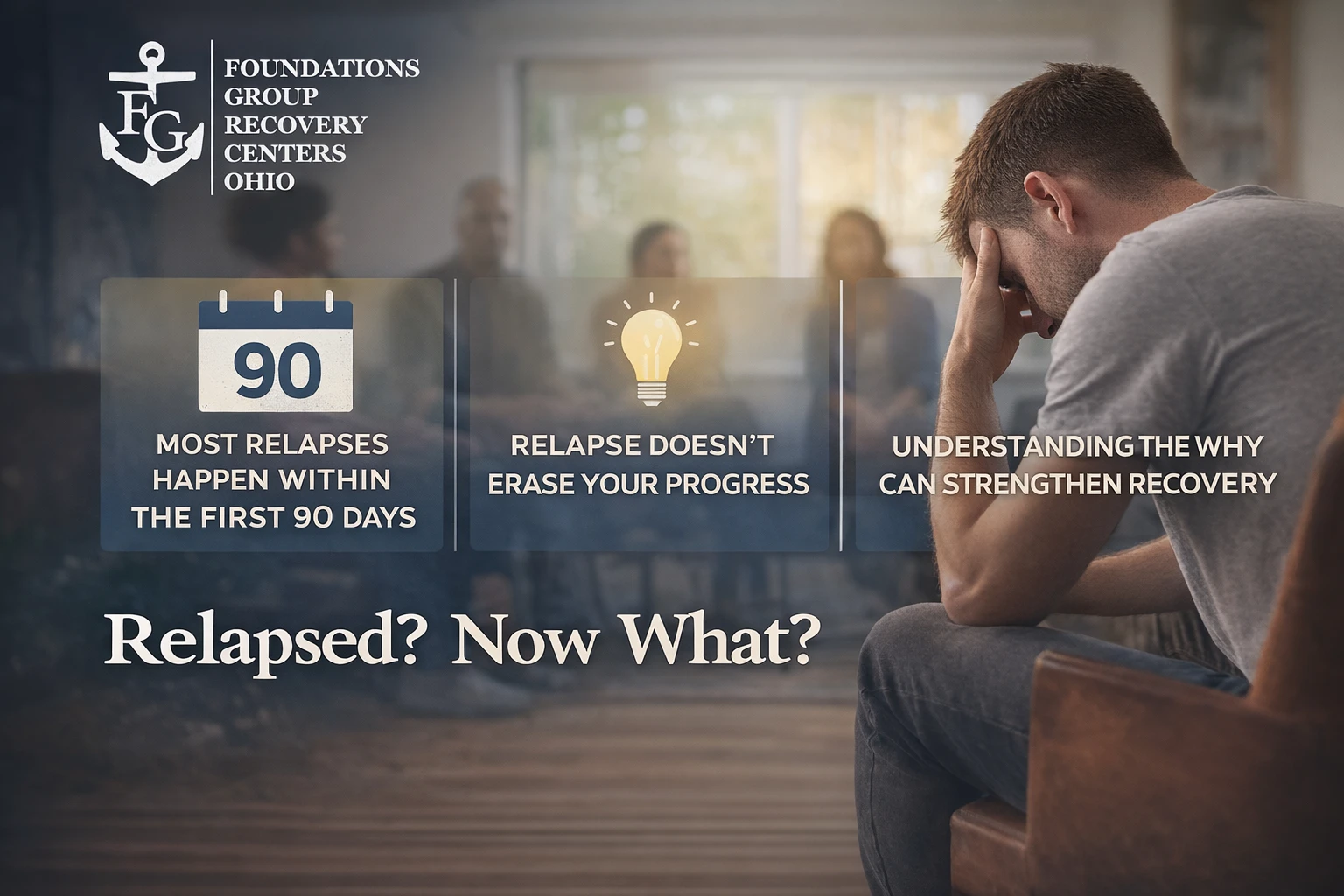
If you’ve relapsed after putting together some time—especially after 90 days—you probably know that exact feeling. It’s not just disappointment.
It’s grief. Confusion. Shame. And this weird question that keeps looping:
“Did I just lose everything I worked for?”
If you’re standing in that space right now, I want to tell you something I wish someone had told me sooner—coming back doesn’t mean starting over.
When I found my way back into structured daytime support, it didn’t feel like a reset. It felt like picking up a thread I had dropped—and finally understanding why I dropped it in the first place.
The Relapse Didn’t Happen All at Once
That’s the part people don’t talk about enough.
I didn’t wake up one day and decide to throw everything away.
It was slower than that.
Subtle.
I started skipping the small things that had been holding me together:
- Not checking in with people
- Letting routines slide
- Telling myself I was “fine” when I wasn’t
Nothing looked alarming from the outside.
But inside, something was loosening.
And then one day, I crossed a line I had promised myself I wouldn’t cross again.
Not with fireworks. Not with chaos.
Just… quietly.
That’s what made it harder to admit.
The Shame Was Louder Than the Relapse
I could handle the fact that I used again.
What I couldn’t handle was what I told myself about it.
“You should’ve known better.”
“You already had this figured out.”
“What’s wrong with you?”
That voice doesn’t help.
But it feels convincing.
It made me hesitate to come back. Not because I didn’t need help—but because I felt like I didn’t deserve it anymore.
And that’s a dangerous place to sit.
Walking Back In Felt Like Owning a Mistake I Couldn’t Hide
The first time I got help, I had nothing left to protect.
The second time, I had pride.
And pride makes things complicated.
I didn’t want to explain myself.
I didn’t want to see that look—real or imagined—of disappointment.
I kept thinking:
- “They’re going to think I didn’t take it seriously.”
- “I’m going to have to start from zero.”
- “Maybe I should just fix this on my own first.”
But the truth is, trying to fix it alone is what kept me stuck.
Walking back in wasn’t easy.
But it wasn’t what I feared either.
No One Treated Me Like I Failed
That surprised me the most.
No lectures. No “I told you so.” No sense that I had ruined anything.
Just… understanding.
Someone said something early on that stuck with me:
“You didn’t lose your recovery. You learned more about it.”
At first, I didn’t believe that.
But over time, I started to see it.
Because I wasn’t the same person walking back in.
I had more awareness. More honesty. More context.
I just also had a fresh reminder that I wasn’t done learning yet.
The Second Time Was Less About Proving—and More About Understanding
The first time, I wanted to succeed.
The second time, I wanted to understand.
That shift changed everything.
I stopped trying to look like I had it together.
I started being honest about things like:
- How uncomfortable I actually felt most days
- How often I avoided certain emotions
- How quickly I reached for escape when things got quiet
It wasn’t pretty.
But it was real.
And real is where change actually happens.
I Finally Saw What My Drinking Was Doing for Me
Before, I treated alcohol like the problem.
But it wasn’t that simple.
It was doing something for me.
It helped me:
- Avoid certain thoughts
- Soften anxiety I didn’t know how to handle
- Fill empty space that felt too loud
Once I saw that clearly, things shifted.
Because if I didn’t understand what I was using for, I was always going to go back to it.
Not because I was weak—but because I hadn’t replaced what it was giving me.
The Progress Looked Smaller—But It Was Stronger
The first time, I chased big wins.
The second time, I paid attention to small ones.
- Showing up even when I didn’t feel like it
- Saying something honest instead of something impressive
- Letting discomfort exist without trying to escape it immediately
It didn’t feel like much at first.
But it was different.
More grounded. More consistent.
And consistency is what I had been missing.
Some of the people I met during that time were also coming back after a relapse—some from Franklin County, Ohio, others from Upper Arlington, Ohio—and what we all had in common wasn’t failure.
It was this shared realization that we needed something deeper than what we tried the first time.
Not more effort.
Better understanding.
The Moment I Stopped Calling It “Starting Over”
There was a point where something clicked.
I realized I wasn’t back at the beginning.
I was back with:
- More insight
- More honesty
- More awareness of what doesn’t work for me
That’s not starting over.
That’s continuing—with better information.
And once I saw it that way, the shame started to loosen its grip.
What I’d Say to You If You’re Sitting in That Same Spot
If you’ve relapsed, you might feel like you don’t belong in recovery anymore.
Like you had your chance and messed it up.
But that’s not how this works.
Relapse doesn’t disqualify you.
It reveals something.
And what it reveals can actually make your recovery stronger—if you’re willing to look at it.
You don’t need to have it all figured out before you come back.
You just need to be willing to be honest about where you are.
The Truth Most People Don’t Say Out Loud
A lot of people relapse.
Not because they don’t care.
Not because they didn’t learn anything.
But because recovery isn’t just about stopping—it’s about understanding patterns that take time to fully see.
You didn’t waste those 90 days.
You built something during that time.
Now you just get to build on it differently.
Frequently Asked Questions
Does relapse mean I failed?
No. It means something in your recovery needs more attention. That’s all. Failure would be not coming back.
Do I have to start over completely?
Not in the way you think. You’re not the same person you were before. You’re coming back with experience—and that matters.
What if I feel too embarrassed to return?
That’s normal. But embarrassment fades quickly when you’re met with understanding instead of judgment. Most people walking back in feel the same way you do.
What if I don’t feel “ready” again?
You don’t need to feel ready. You just need to feel willing. Readiness usually comes after you take the step—not before.
How is this time different from the first time?
It can be more honest. Less about proving something. More about understanding yourself. And that’s where real change tends to happen.
You Didn’t Lose Everything
I know it feels that way.
But you didn’t.
You didn’t lose:
- What you learned
- The strength it took to get sober the first time
- The awareness you built
Those things are still there.
You just see them differently now.
And that difference?
It might be exactly what you needed.
If you’re ready to take that step,call (888)501-5618 to learn more about our Partial Hospitalization Program in Columbus, Ohio.
Built with guidance from the Prompt-to-Publish system and — because people need to hear this part too: you’re still allowed to come back.