Sometimes the realization arrives quietly.
You’re still going to work. Still answering texts. Still showing up for life in the ways people expect.
But somewhere inside, you know something has shifted.
Maybe drinking or drug use takes up more of your thoughts than it used to. Maybe you’ve promised yourself you’d cut back—but it keeps happening again. Or maybe the feeling is harder to explain, like life is slowly being rearranged around substances.
If that realization has started to surface, it’s not a failure. It’s awareness.
And for many people, that awareness becomes the moment recovery begins. Some individuals start exploring help through options like structured daytime care in Ohio when they recognize that life could feel different.
The Subtle Signs That Use Is Becoming Control
Addiction rarely appears overnight.
For most people, it develops gradually—so gradually that it can be difficult to notice at first.
What begins as occasional use slowly becomes something that feels harder to manage.
Some common signs people notice include:
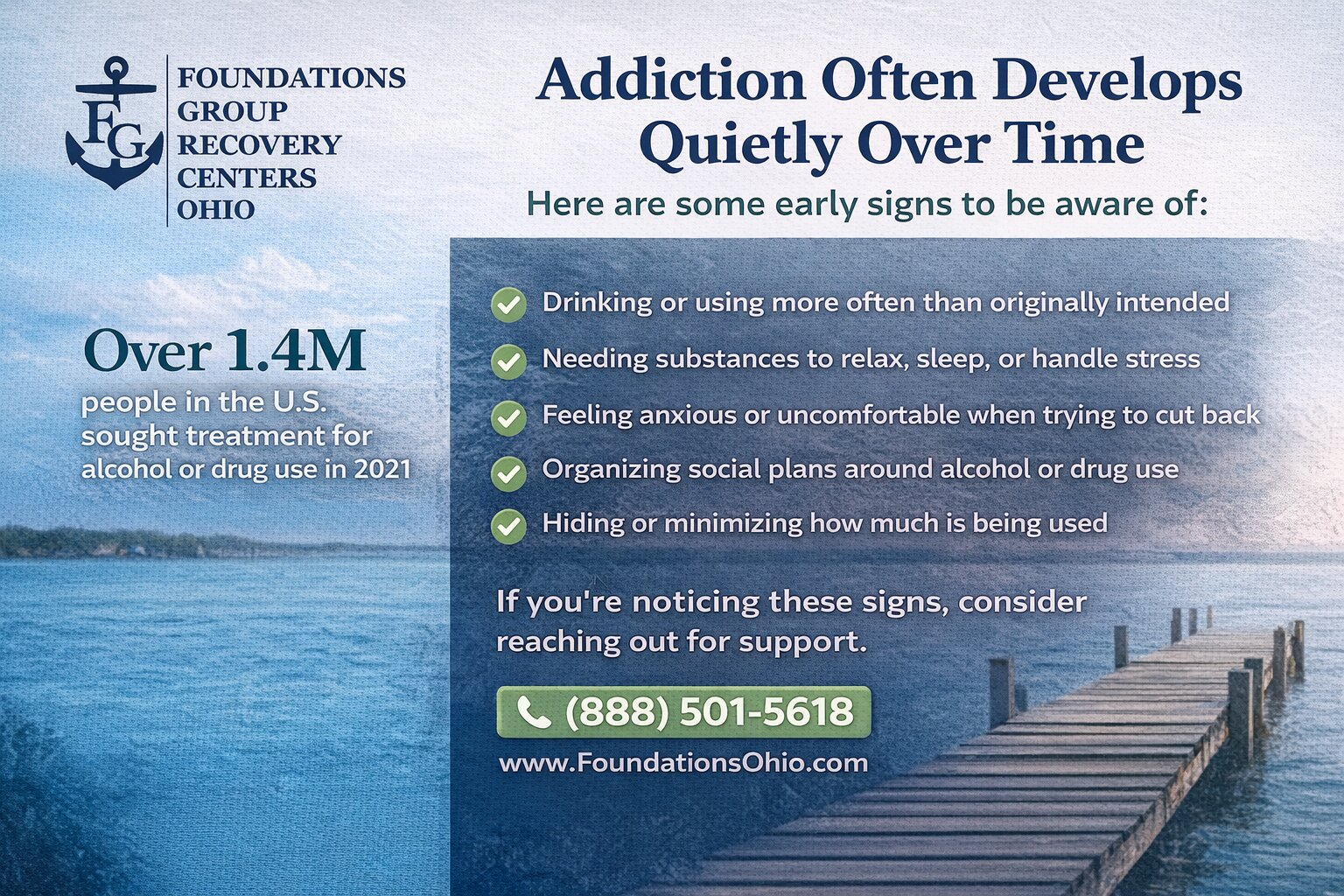
- drinking or using more often than they originally intended
- needing substances to relax, sleep, or handle stress
- feeling anxious or uncomfortable when trying to cut back
- organizing social plans around alcohol or drug use
- hiding or minimizing how much they’re using
Many people ignore these signs for a long time because life still appears “functional.”
But internal stress often tells a different story.
The Moment of Honesty That Changes Everything
Many people imagine addiction treatment begins with a dramatic rock bottom.
But for many individuals, the turning point is far quieter.
It’s a moment of honesty.
A moment where someone admits to themselves:
“This is starting to take over my life.”
That moment can feel scary. It can also feel relieving.
Because once the truth is acknowledged, something new becomes possible: support.
The Fear That Keeps People From Reaching Out
If you’ve been thinking about getting help, fear is probably part of the picture.
Almost everyone considering treatment has similar thoughts:
- What if I fail?
- What if treatment changes who I am?
- What will people think about me?
- Will my life fall apart if I step away for help?
These fears are incredibly common.
But many people discover something surprising once they start recovery: treatment isn’t about taking your life away.
It’s about helping you get it back.
Treatment Doesn’t Always Mean Leaving Everything Behind
One of the biggest misconceptions about addiction recovery is that it requires disappearing from everyday life.
People often imagine long-term residential programs as the only option.
But recovery support exists in many forms.
Some people participate in structured daytime care, where they spend several hours each day focusing on recovery while returning home at night.
Others benefit from multi-day weekly treatment, which allows them to maintain responsibilities like work, school, or family while receiving consistent support.
These options help many people begin recovery without feeling like they have to abandon their entire life.
What Healing Often Looks Like in the Early Stages
The first phase of recovery isn’t about becoming a completely different person overnight.
It’s about rebuilding stability.
That process often includes:
- understanding the emotional triggers connected to substance use
- developing healthier coping strategies for stress and anxiety
- rebuilding routines that support physical and mental well-being
- reconnecting with supportive people in your life
These changes take time.
But they also create a sense of progress that many people haven’t felt in years.
Stories of Recovery Often Start in the Same Place
Many people who successfully rebuild their lives through recovery share similar beginnings.
Not dramatic collapse.
But quiet realization.
One former client described it this way:
“I didn’t lose everything before I got help. I just realized I was slowly losing myself.”
Another shared:
“I thought treatment would be the worst experience of my life. Instead, it was the first time I felt understood.”
Stories like these are more common than people realize.
Recovery doesn’t belong only to people who’ve lost everything.
It belongs to anyone who wants their life back.
Why Getting Support Earlier Can Make Recovery Easier
The earlier someone reaches out for help, the more options they usually have.
Addressing substance use before it escalates into deeper crisis often makes the recovery process smoother and more manageable.
Early support can help people:
- recognize unhealthy patterns before they intensify
- develop healthier emotional coping tools
- strengthen relationships that may already be under strain
- prevent long-term health and mental health complications
Many people start this process through addiction treatment programs Ohio designed to provide structure, guidance, and support during the early stages of recovery.
For others, structured support through a partial hospitalization program Ohio setting offers the balance of intensive care while still allowing them to stay connected to everyday life.
Recovery Often Begins With Relief
People sometimes imagine treatment as something painful or punishing.
But many individuals experience something very different.
Relief.
Relief from the constant mental tug-of-war around substance use.
Relief from hiding, negotiating, or worrying about the next time they’ll drink or use.
Relief from feeling alone in the struggle.
Recovery doesn’t solve every problem overnight.
But it often removes the heavy weight people have been carrying quietly for a long time.
The First Step Doesn’t Require Certainty
If you’re reading this and recognizing parts of your own experience, you don’t have to have everything figured out.
You don’t need to know exactly what treatment will look like.
You don’t need to be 100% confident.
Recovery begins with something much simpler: willingness.
Just enough openness to explore the possibility that life could feel different.
And for many people, that small step becomes the beginning of real change.
Frequently Asked Questions
How do I know if my drinking or drug use is becoming a problem?
Many people recognize a problem when substances start affecting their daily life, relationships, or emotional well-being.
If you’ve tried to cut back but struggled, feel anxious without using, or find yourself thinking about alcohol or drugs frequently, it may be worth talking to a professional about your options.
Do I have to hit rock bottom before getting treatment?
No. In fact, many people seek treatment before reaching a severe crisis. Getting help earlier often makes recovery more manageable and can prevent serious consequences from developing.
Recovery doesn’t require losing everything first.
Will treatment take me away from my job or family?
Not always. Some recovery programs allow people to receive support during the day while still returning home at night. This structure helps individuals focus on healing while maintaining important responsibilities.
What if I’m scared to start treatment?
Feeling scared is completely normal. Almost everyone who enters treatment experiences some level of fear or uncertainty. Many people later say that asking for help was the hardest step—but also the most important one they ever took.
Can recovery really work?
Yes. Millions of people have rebuilt meaningful, stable lives after struggling with substance use. Recovery looks different for everyone, but with the right support and guidance, lasting change is absolutely possible.
If you or someone you love is struggling with alcohol or drug use, compassionate help is available.
Call (888)501-5618 or visit our addiction treatment programs ohio, partial hospitalization program ohio services to learn more about our addiction treatment programs Ohio, partial hospitalization program services in Ohio.