
Home > Alcohol Addiction Treatment



Alcohol use disorder (AUD) is a chronic medical condition characterized by an inability to control or stop drinking despite negative consequences. It can affect every aspect of a person’s life, including physical health, mental well-being, relationships, work, and daily responsibilities. Like other substance use disorders, alcohol addiction is treatable, and recovery is possible with evidence-based care and ongoing support through comprehensive addiction treatment programs.
Common signs and symptoms may include:
Alcohol withdrawal symptoms often begin within several hours after a person’s last drink and may vary in severity. Common symptoms include:
In more severe cases, alcohol withdrawal can lead to hallucinations, seizures, or delirium tremens (DTs), a potentially life-threatening medical emergency that requires immediate treatment.
Every person’s experience is different, but alcohol withdrawal often follows a general pattern.
Because every situation is unique, the timeline can vary based on an individual’s health history and alcohol use patterns.
Attempting to stop drinking without medical supervision can be dangerous for individuals with moderate or severe alcohol dependence. A professionally supervised medical detox program provides clinical monitoring, medications when appropriate, and supportive care to help manage withdrawal symptoms safely and comfortably.
Medical detox is often only the beginning of recovery. After withdrawal has been safely managed, many individuals transition into ongoing treatment through a partial hospitalization program (PHP), an intensive outpatient program (IOP), or outpatient treatment, depending on their individual needs and recovery goals.
There is no one-size-fits-all approach to treating alcohol addiction. The most effective treatment plans combine evidence-based therapies, individualized care, and ongoing support to address both the physical and psychological aspects of alcohol use disorder. At Foundations Group Recovery Centers Ohio, every treatment plan is tailored to the individual’s needs, recovery goals, and level of care.
Behavioral therapies help individuals understand the thoughts, emotions, and behaviors that contribute to alcohol use while developing healthier coping strategies for long-term recovery. Our treatment programs may incorporate several evidence-based approaches, including:
Together, these therapies help clients develop the skills needed to support lasting recovery and improve their overall quality of life.
For some individuals, medication-assisted treatment (MAT) can play an important role in alcohol addiction recovery by helping reduce cravings and supporting long-term sobriety. MAT is always combined with counseling and behavioral therapies as part of a comprehensive treatment plan.
Medications that may be recommended include:
Our clinical team determines whether medication-assisted treatment (MAT) is appropriate based on each individual’s medical history, treatment goals, and overall recovery needs.
Recovery is not a one-size-fits-all process. Foundations Group Recovery Centers Ohio offers multiple levels of outpatient care so treatment can be tailored to each person’s clinical needs and adjusted as recovery progresses.
During your initial assessment, our team will recommend the level of care that best supports your recovery goals and helps you build a strong foundation for lasting sobriety.
Cravings are a normal part of recovery, especially during the early weeks and months after stopping alcohol use. While cravings can feel overwhelming, they become more manageable with the right treatment, healthy coping strategies, and ongoing support. Learning how to respond to cravings rather than react to them is an important part of long-term recovery.
Some strategies that may help manage alcohol cravings include:
Managing cravings is not about relying on willpower alone. Recovery is a process of learning new skills, building healthier habits, and creating a support system that helps you navigate challenges with confidence. With the right treatment plan, many people find that cravings become less frequent and less intense over time.
Alcohol addiction often occurs alongside mental health conditions such as anxiety, depression, post-traumatic stress disorder (PTSD), and trauma-related disorders. In some cases, individuals begin drinking to cope with emotional distress or untreated mental health symptoms. Over time, alcohol use can worsen those conditions, creating a cycle that becomes increasingly difficult to break without professional support.
At Foundations Group Recovery Centers Ohio, we recognize the importance of treating both alcohol use disorder and co-occurring mental health conditions at the same time whenever possible. Addressing only one concern while leaving the other untreated can make long-term recovery more challenging and increase the risk of relapse.
Our treatment plans are individualized to address each client’s unique needs and may incorporate evidence-based therapies, medication management when appropriate, and ongoing recovery support. By treating both substance use and mental health together, we help clients build healthier coping skills, improve emotional well-being, and create a stronger foundation for lasting recovery.
Alcohol addiction affects more than the person who is drinking. It can place significant strain on relationships, create uncertainty within families, and leave loved ones feeling overwhelmed or unsure how to help. Recovery is often most successful when family members are informed, supported, and involved in the treatment process whenever appropriate.
Watching someone you care about struggle with alcohol addiction can be incredibly difficult. While it may be tempting to try to solve the problem yourself, lasting recovery typically begins when the individual is ready to accept professional help. You can support your loved one by expressing concern without judgment, encouraging open conversations, and offering to help them explore treatment options.
Avoid blaming, criticizing, or enabling unhealthy behaviors. Instead, focus on setting healthy boundaries, learning about alcohol use disorder, and reminding your loved one that effective treatment and recovery are possible. Compassion, patience, and consistent support can make a meaningful difference throughout the recovery journey.
Recovery is not just about helping the individual—it is also about supporting the people who care about them. Family support groups provide education, encouragement, and practical guidance for spouses, parents, children, and other loved ones who are navigating the challenges of alcohol addiction alongside someone they care about.
Participating in family support groups can help improve communication, strengthen relationships, and provide valuable tools for supporting recovery while also caring for your own emotional well-being. Families who feel informed and supported are often better equipped to encourage long-term recovery and healthy change.
Alcohol addiction affects thousands of Ohio families every year. Recognizing the statistics helps underline that this is a serious public-health challenge — but one where treatment and recovery are possible. The right program can make all the difference.
Recovery from alcohol addiction is possible, and you do not have to face it alone. Whether you are seeking help for yourself or someone you love, the team at Foundations Group Recovery Centers Ohio is here to provide compassionate, evidence-based care every step of the way.
From medical detox referrals and medication-assisted treatment (MAT) to outpatient programs and long-term recovery support, we create individualized treatment plans designed to meet each person’s unique needs. Our Upper Arlington location proudly serves adults throughout Columbus and surrounding Central Ohio communities.
If you are ready to take the first step, contact our admissions team today. We can answer your questions, explain your treatment options, and help you verify your insurance so you can begin your recovery with confidence.
Foundations Group Recovery Centers Ohio works with many major insurance providers and offers flexible self-pay options to help make alcohol addiction treatment more accessible. Our admissions team can verify your benefits and answer any questions before you begin treatment.


Recovery begins with finding the right support close to home. Foundations Group Recovery Centers Ohio provides compassionate, evidence-based alcohol addiction treatment for adults throughout Columbus and the surrounding Central Ohio communities. Whether you are seeking help for yourself or someone you love, our team is committed to providing personalized care that addresses the physical, emotional, and psychological aspects of alcohol use disorder.
At Foundations Group Recovery Centers Ohio, treatment is never one-size-fits-all. Every client begins with a comprehensive assessment that helps our clinical team recommend the most appropriate level of care and therapeutic approach. Your treatment plan may include individual counseling, group therapy, medication-assisted treatment when appropriate, relapse prevention planning, and ongoing recovery support.
As your needs change throughout recovery, your treatment plan can evolve as well, ensuring you continue to receive the right level of clinical care and support at every stage.
Our admissions team can also verify your insurance benefits before treatment begins and help you understand your coverage so you can move forward with confidence.

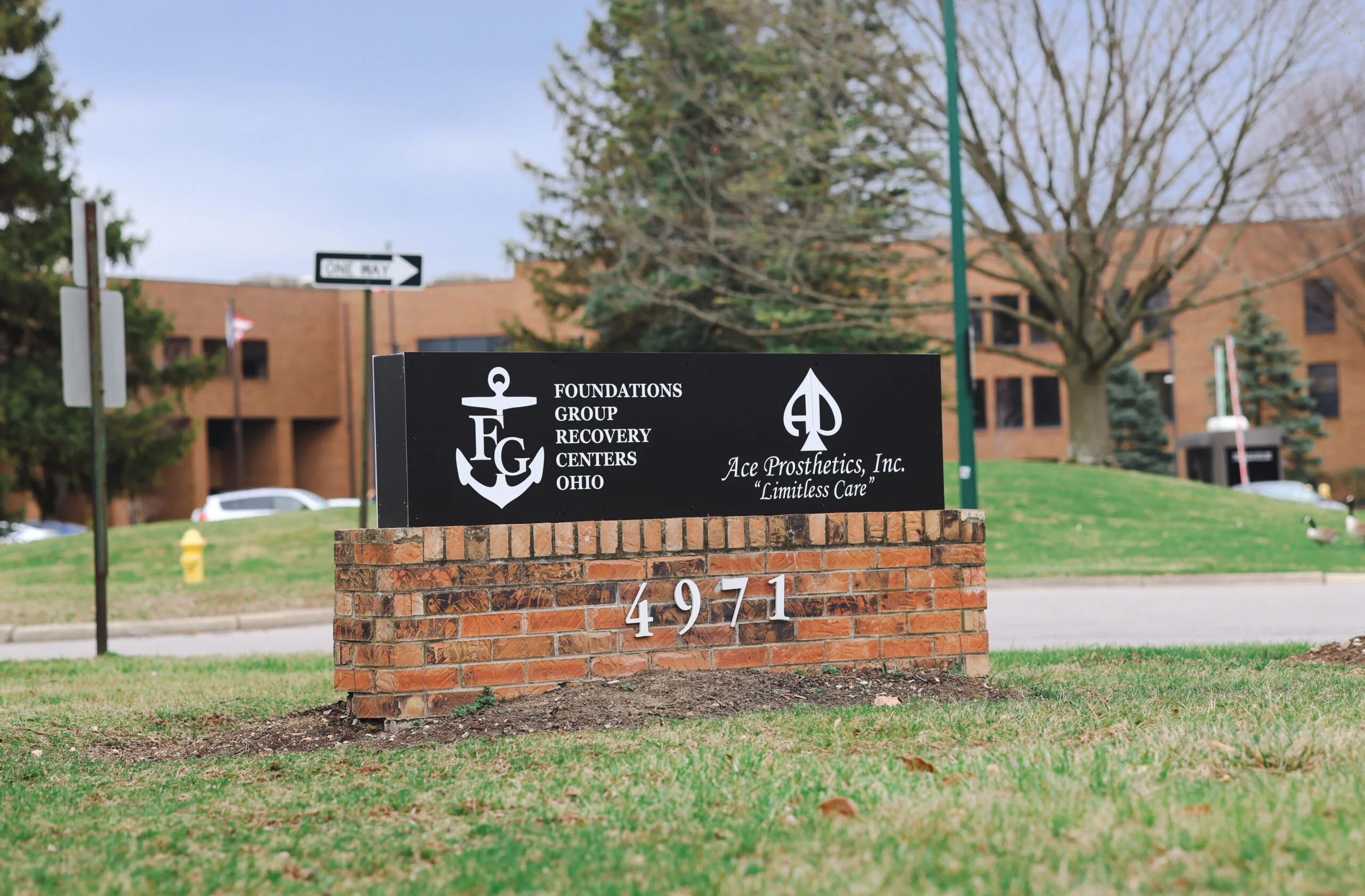
Choosing treatment for alcohol addiction is about more than stopping drinking. It is about finding compassionate professionals who understand the physical, emotional, and psychological challenges of recovery and can provide personalized care every step of the way.
At Foundations Group Recovery Centers Ohio, we combine evidence-based therapies, individualized treatment planning, and ongoing recovery support to help clients build healthier lives. Whether someone is beginning treatment, transitioning from a higher level of care, or continuing their recovery journey, our team is committed to helping each client build a strong foundation for lasting recovery.
Our Upper Arlington location proudly serves individuals and families throughout Columbus, Dublin, Hilliard, Worthington, Westerville, Gahanna, Grove City, Powell, New Albany, Lewis Center, Delaware, and surrounding Central Ohio communities. No matter where someone is in their recovery journey, our team is committed to providing compassionate care that supports long-term success.

There is no single treatment that works for everyone. Effective alcohol addiction treatment typically combines evidence-based therapies, behavioral counseling, relapse prevention planning, and ongoing recovery support. Depending on an individual's needs, treatment may also include medication-assisted treatment (MAT) to help reduce cravings and support long-term recovery. A professional assessment can help determine the most appropriate level of care based on a person's health, alcohol use history, and recovery goals.
Managing alcohol cravings often involves a combination of healthy coping strategies, counseling, and ongoing support. Identifying triggers, building healthy routines, participating in therapy, and connecting with support groups can all help reduce cravings over time. For some individuals, FDA-approved medications may also be recommended as part of a comprehensive treatment plan. Recovery is a gradual process, and learning how to manage cravings is an important part of long-term success.
Home detox refers to attempting to stop drinking without professional medical supervision. While some people experience only mild withdrawal symptoms, others may develop serious complications such as seizures or delirium tremens (DTs), which can be life-threatening. Because alcohol withdrawal can be unpredictable, it is important to speak with a healthcare professional before attempting to detox. A medically supervised detox program provides monitoring, supportive care, and treatment to help manage withdrawal safely.
Supporting a loved one begins with approaching the conversation with compassion rather than judgment. Express your concerns calmly, encourage them to seek professional help, and let them know they are not alone. Avoid enabling unhealthy behaviors while continuing to offer encouragement and support. If you're unsure how to begin the conversation, our team can help you understand treatment options and provide guidance on supporting your loved one throughout the recovery process.
In many cases, yes. Depending on your treatment needs, outpatient programs such as an intensive outpatient program (IOP) or outpatient treatment may allow you to continue working while receiving care. Some individuals begin treatment in a more structured program before transitioning to a schedule that better fits work, school, or family responsibilities. Your treatment team will recommend the level of care that best supports both your recovery and your daily commitments.
Many health insurance plans provide coverage for alcohol addiction treatment, including medical detox, outpatient programs, counseling, and other recovery services. Coverage varies depending on your insurance provider and individual plan. Our admissions team can verify your insurance benefits, explain your coverage, and answer any questions before treatment begins so you understand your options and can focus on your recovery.