
Home > Fentanyl Addiction Treatment



Fentanyl has transformed the opioid crisis, making overdoses more common and recovery more complex than ever before. Whether someone has been using illicit fentanyl, counterfeit pills, or other opioids contaminated with fentanyl, finding the right treatment can be lifesaving. At Foundations Group Recovery Centers Ohio, we provide compassionate, evidence-based addiction treatment for adults seeking recovery from fentanyl dependence in Upper Arlington, Columbus, and surrounding Central Ohio communities. Our team understands the unique challenges of fentanyl addiction and offers individualized care that may include medical detox, medication-assisted treatment (MAT), therapy, and ongoing outpatient support to help clients build lasting recovery.
Fentanyl addiction is a chronic medical condition that develops when repeated fentanyl use changes the way the brain responds to opioids. Over time, a person may experience intense cravings, loss of control over their drug use, and withdrawal symptoms if they try to stop. Although fentanyl is prescribed in some medical settings to manage severe pain, most fentanyl-related overdoses today involve illegally manufactured fentanyl or counterfeit pills containing fentanyl without the user’s knowledge.
Fentanyl is approximately 50 to 100 times more potent than morphine, making it one of the strongest synthetic opioids in circulation. Because even a very small amount can cause a fatal overdose, fentanyl addiction often progresses quickly and carries a significantly higher risk of overdose than many other opioids.
Recovery is possible with the right support. Effective treatment typically includes medical care, evidence-based therapies, and ongoing support that addresses both the physical and psychological aspects of opioid addiction.
Because fentanyl is so powerful, addiction can develop quickly and may become life-threatening before loved ones realize there is a problem. Some people knowingly use fentanyl, while others become addicted after taking counterfeit pills or drugs contaminated with illicit fentanyl. Recognizing the warning signs early can help someone access treatment before an overdose occurs.
Common signs and symptoms of fentanyl addiction include:
While these signs do not always confirm fentanyl addiction, they often indicate that professional evaluation is needed. Seeking help early can reduce the risk of overdose and improve the chances of long-term recovery.
Stopping fentanyl without professional support can be extremely difficult. Although opioid withdrawal is not typically life-threatening on its own, the symptoms can be intense enough to cause many people to return to fentanyl use before they have fully detoxed. Because fentanyl is so potent, relapse after even a short period of abstinence can significantly increase the risk of overdose.
Withdrawal symptoms often begin within several hours to a day after the last use and may include:
Medical detox provides a safer, more comfortable way to begin recovery by helping manage withdrawal symptoms under clinical supervision. At Foundations Group Recovery Centers Ohio, our team can help determine whether medical detox is the appropriate first step before transitioning into ongoing treatment, including medication-assisted treatment (MAT) and outpatient care.
Fentanyl is one of the leading drivers of opioid overdose deaths because it is so potent and is often mixed into other drugs without the user’s knowledge. Even someone who believes they are taking prescription pain medication, heroin, cocaine, or another substance may unknowingly consume fentanyl, dramatically increasing the risk of a life-threatening overdose.
Common signs of a fentanyl overdose include:
If you suspect someone is experiencing a fentanyl overdose, call 911 immediately. Administer naloxone (Narcan) if it is available and continue to monitor the person until emergency responders arrive. Because fentanyl is so powerful, more than one dose of naloxone may be needed before breathing returns to normal.
Surviving an overdose is often a turning point, but it is only the beginning of recovery. Without comprehensive addiction treatment, the risk of another overdose remains high. Seeking professional care after an overdose can help individuals safely begin treatment, address the underlying causes of addiction, and reduce the likelihood of future relapse.
Medication-assisted treatment (MAT) combines FDA-approved medications with counseling and behavioral therapies to help people recover from opioid addiction. For many individuals struggling with fentanyl dependence, MAT can reduce cravings, ease withdrawal symptoms, and lower the risk of relapse while providing a stable foundation for long-term recovery.
Depending on each person’s medical history and treatment needs, medications used in MAT may include:
Because fentanyl is more potent than many other opioids, beginning MAT sometimes requires careful medical planning to minimize the risk of precipitated withdrawal. An experienced treatment team can determine the safest approach based on each client’s health history, current opioid use, and recovery goals.
At Foundations Group Recovery Centers Ohio, medication-assisted treatment (MAT) is offered as part of a comprehensive treatment plan that also includes therapy, recovery support, and individualized care designed to promote lasting recovery.
While medications can help manage cravings and withdrawal, lasting recovery also requires addressing the thoughts, behaviors, and experiences that contribute to addiction. At Foundations Group Recovery Centers Ohio, behavioral therapies are integrated into every stage of treatment to help clients build healthier coping skills, strengthen relationships, and prepare for long-term recovery.
Depending on each person’s needs, treatment may include:
Rather than focusing only on stopping drug use, comprehensive treatment helps individuals develop the skills and confidence needed to build a healthier, more stable future.
Recovery from fentanyl addiction looks different for every person. Some individuals require medically supervised detox before beginning ongoing treatment, while others may be ready to enter an outpatient program immediately. At Foundations Group Recovery Centers Ohio, we provide a full continuum of care so treatment can be tailored to each person’s clinical needs, recovery goals, and progress.
Depending on your situation, your treatment plan may include:
For individuals experiencing withdrawal or who require medical stabilization before beginning treatment, medical detox provides around-the-clock clinical support to help manage withdrawal symptoms safely and comfortably.
A partial hospitalization program (PHP) offers the highest level of structured outpatient care, combining intensive therapy, medical oversight, and recovery support while allowing clients to return home each evening.
An intensive outpatient program (IOP) provides flexible treatment for individuals who need ongoing clinical support while maintaining work, school, or family responsibilities.
Our outpatient addiction treatment program helps clients continue building recovery skills, maintain accountability, and strengthen healthy routines as they transition toward greater independence.
Recovery does not end when a treatment program is complete. Aftercare treatment services provide continued support, relapse prevention planning, and community resources to help clients maintain long-term recovery.
Wherever you begin, our team works closely with you to develop a personalized treatment plan and adjust your level of care as your recovery progresses.
Fentanyl has become the leading driver of opioid overdose deaths in Ohio, affecting individuals, families, and communities across the state. While recent data show encouraging signs that overdose deaths are beginning to decline, fentanyl continues to account for a significant share of fatal overdoses and remains one of the greatest challenges facing Ohio’s public health system.
According to the Ohio Department of Health, 5,017 Ohioans died from unintentional drug overdoses in 2020, with illicit fentanyl and fentanyl-related substances involved in the majority of opioid overdose deaths. More recent data suggest overdose fatalities have begun to decrease, but fentanyl continues to play a central role in the opioid epidemic throughout the state.
If you or someone you love is struggling with fentanyl use, seeking treatment as early as possible can make a meaningful difference. Professional care can help individuals safely stop using opioids, reduce the risk of future overdoses, and begin building a foundation for lasting recovery.
Individuals seeking treatment for fentanyl addiction may also benefit from learning more about our opioid addiction treatment and heroin addiction treatment programs, which provide evidence-based care for opioid use disorders across Central Ohio.
Recovery from fentanyl addiction is possible, and you do not have to face it alone. Whether you are seeking help for yourself or someone you love, the team at Foundations Group Recovery Centers Ohio is here to provide compassionate, evidence-based care every step of the way.
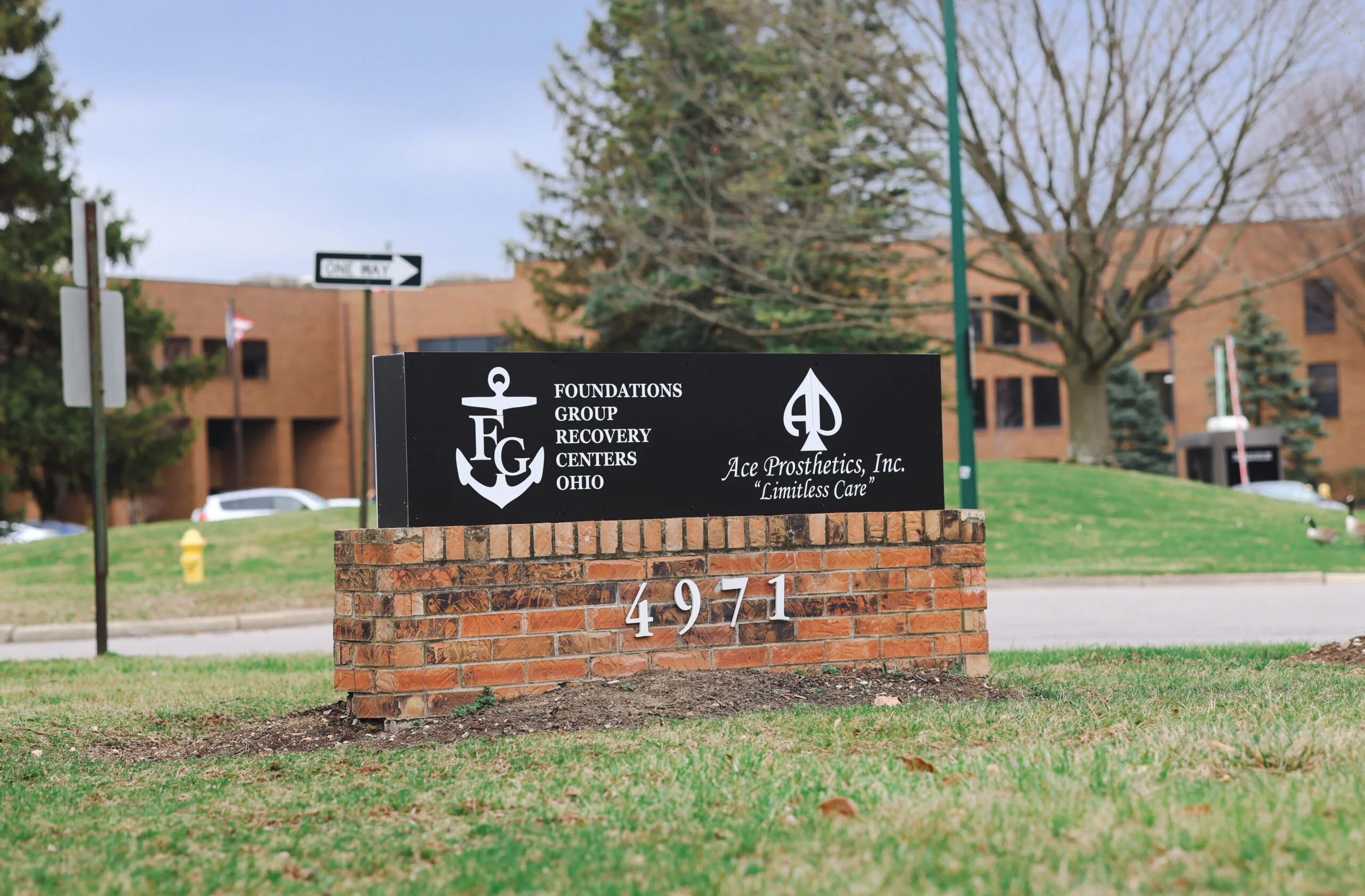
From medical detox referrals and medication-assisted treatment (MAT) to outpatient programs and long-term recovery support, we create individualized treatment plans designed to meet each person’s unique needs. Our Upper Arlington location proudly serves adults throughout Columbus and surrounding Central Ohio communities.
If you are ready to take the first step, contact our admissions team today. We can answer your questions, explain your treatment options, and help you verify your insurance so you can begin your recovery with confidence.
At Foundations Group Recovery Centers Ohio, we work with many major insurance providers and offer flexible self-pay options to help make treatment more accessible. Our admissions team can verify your insurance benefits, explain your coverage, and answer any questions before you begin treatment.



Choosing treatment for fentanyl addiction is about more than stopping drug use. It is about finding a team that understands the unique challenges of opioid recovery and can provide the medical care, clinical support, and ongoing guidance needed to build a healthier future.
At Foundations Group Recovery Centers Ohio, we combine evidence-based treatment with compassionate, individualized care to help clients build the skills, confidence, and support system needed for lasting recovery. Whether someone is beginning treatment, stepping down from a higher level of care, or continuing their recovery journey, our team is committed to meeting each client where they are and helping them build a foundation for lasting recovery.
Our Upper Arlington location proudly serves individuals and families throughout Columbus, Dublin, Hilliard, Worthington, Westerville, Gahanna, Grove City, Powell, New Albany, Lewis Center, Delaware, and surrounding Central Ohio communities. No matter where someone is in their recovery journey, our team is committed to providing compassionate care that supports long-term success.

Yes. While fentanyl addiction can be one of the most challenging forms of opioid dependence, recovery is possible with the right treatment and ongoing support. Many people achieve lasting recovery through a combination of medical care, medication-assisted treatment (MAT), behavioral therapy, and relapse prevention planning. Seeking professional treatment early can reduce the risk of overdose and help individuals build a strong foundation for long-term recovery.
Medication-assisted treatment (MAT) combines counseling with FDA-approved medications that help reduce cravings and withdrawal symptoms. Depending on each person's needs, treatment may include buprenorphine (Suboxone), methadone, or naltrexone. Because fentanyl is especially potent, starting MAT may require careful medical supervision to ensure the safest and most effective approach.
Not everyone requires medical detox before beginning addiction treatment. However, individuals experiencing significant withdrawal symptoms or who have been using fentanyl heavily may benefit from medical detox before transitioning into ongoing care. A professional assessment can help determine the safest and most appropriate starting point based on your health history, substance use, and recovery goals.
If you suspect someone is experiencing a fentanyl overdose, call 911 immediately. Administer naloxone (Narcan) if it is available, and continue following the product instructions if the person does not respond or stops breathing again while waiting for emergency responders. Even if someone wakes up after receiving naloxone, emergency medical care is still essential because the effects of opioids can outlast the medication.
Many health insurance plans provide coverage for addiction treatment, including services related to fentanyl addiction. Coverage varies depending on your provider and plan, but our admissions team can review your benefits, explain your options, and verify your insurance before treatment begins so you understand what to expect.
Supporting someone with fentanyl addiction can be difficult, especially if they are not ready to accept help. Avoid judgment or confrontation, express your concerns with compassion, and encourage them to speak with a treatment professional. If you are unsure how to approach the conversation, our admissions team can provide guidance and help you understand the treatment options available for your loved one.