
Home > Opioid Addiction Treatment



Opioid addiction can affect physical health, mental health, relationships, responsibilities, and nearly every part of daily life. For people living with opioid use disorder, treatment can provide the structure and support needed to stop opioid use and begin building a more stable recovery.
Foundations Group Recovery Centers Ohio provides individualized addiction treatment for people in Columbus and surrounding Central Ohio communities who are struggling with opioids and other substances. Care is tailored to each person’s needs, progress, and recovery goals.
Treatment may include evidence-based behavioral therapies, medication-assisted treatment when appropriate, peer support, and continued recovery planning. Each treatment plan is individualized to address the person’s substance use, overall health, and circumstances.
Opioid addiction, clinically known as opioid use disorder (OUD), is a condition in which opioid use becomes difficult to control despite harmful consequences. Opioids include prescription pain medications as well as drugs such as heroin and synthetic opioids such as fentanyl.
Opioids interact with receptors in the brain and body that affect pain, reward, and other functions. Repeated use can lead to tolerance, physical dependence, and changes in behavior that make it increasingly difficult to stop using opioids without support.
The term opiate is sometimes used to describe certain opioids, particularly substances derived from opium. Opioid is the broader term and includes prescription opioid medications, heroin, fentanyl, and other synthetic or semi-synthetic substances.
Opioid use disorder can range in severity. Recognizing changes in opioid use, health, behavior, and daily functioning can help someone identify when professional treatment may be needed.
Opioid addiction does not look the same for everyone. Some people develop problems after using prescription opioids, while others may use heroin, fentanyl, or multiple substances. Signs of opioid use disorder can develop gradually and may become more noticeable as opioid use begins interfering with everyday life.
Common signs may include:
Someone does not need to experience every sign before seeking help. An assessment can help determine how opioid use is affecting the person’s health and daily life and what type of treatment may be appropriate.
When someone has developed physical dependence on opioids, reducing or stopping use can cause withdrawal. Symptoms can vary depending on the opioid used, the amount and frequency of use, overall health, and other individual factors.
Opioid withdrawal may include:
Withdrawal can be extremely uncomfortable and can make it difficult to stop using opioids without support. Returning to opioid use after a period of abstinence can also carry serious overdose risk because tolerance may decrease.
Medical evaluation can help determine whether detoxification or another level of care is appropriate before beginning outpatient addiction treatment. The right starting point depends on the individual’s substance use, withdrawal symptoms, physical health, and other clinical needs.
Medication-assisted treatment (MAT) combines medication with counseling and behavioral support to treat opioid use disorder. For some people, MAT can help reduce cravings, manage withdrawal-related symptoms, and support greater stability during recovery.
Medications used in the treatment of opioid use disorder can include buprenorphine, naltrexone, and methadone. The appropriate medication and treatment setting depend on the individual’s needs, medical history, and clinical recommendations.
At Foundations Ohio, medication-assisted treatment may be incorporated into an individualized recovery plan when appropriate. MAT is used as one component of comprehensive addiction treatment rather than as a replacement for counseling, behavioral therapy, or continued recovery support.
Behavioral therapy can help people understand patterns connected to opioid use and develop healthier ways to respond to cravings, stress, triggers, and difficult emotions.
Treatment may include individual and group therapy as well as evidence-based approaches selected according to each client’s needs. Therapy can help clients develop coping skills, strengthen motivation for change, improve emotional regulation, and address behaviors that may contribute to continued substance use.
Opioid addiction can also occur alongside anxiety, depression, trauma, and other mental health concerns. When substance use and mental health conditions occur together, addressing both can be an important part of an individualized treatment plan.
A partial hospitalization program provides a highly structured level of outpatient support for people who need significant treatment during the day without living at a treatment facility.
The appropriate level of care for opioid addiction depends on factors such as current opioid use, withdrawal risk, physical and mental health needs, recovery environment, and previous treatment. Some people may need more intensive support at the beginning of treatment and transition to less intensive care as recovery progresses.
Foundations Ohio provides multiple addiction treatment programs offering outpatient care and continued recovery support. When a person needs services outside the appropriate scope of outpatient care, an assessment can help identify a suitable starting point. When a person needs services outside the appropriate scope of outpatient care, an assessment can help identify a suitable starting point.
An intensive outpatient program provides structured therapy and recovery support while allowing clients to spend more time managing responsibilities outside treatment.
Outpatient addiction treatment provides ongoing therapeutic and recovery support with greater flexibility as clients develop stability and progress in recovery.
Medication-assisted treatment may be incorporated when clinically appropriate to support recovery from opioid use disorder alongside counseling and behavioral care.
Continued recovery support can help clients maintain progress, strengthen coping strategies, remain connected to recovery resources, and respond to challenges after more intensive treatment ends.
Opioid use disorder can involve prescription opioids as well as heroin and synthetic opioids such as fentanyl. Although these substances belong to the broader opioid category, their patterns of use, risks, and treatment needs can differ.
Foundations Ohio provides dedicated information about heroin addiction treatment and fentanyl addiction treatment for people seeking more specific information about these substances.
Treatment recommendations remain individualized based on the substances involved, current health needs, and the level of support appropriate for recovery.
Opioid addiction can be difficult to overcome without support, but treatment can provide a structured path forward. Foundations Group Recovery Centers Ohio provides individualized care for people working to overcome opioid use and build greater stability in recovery.
Our team can help you understand available treatment options and determine an appropriate level of support based on your needs. Whether you are seeking help for yourself or someone you care about, reaching out can be the first step toward making a meaningful change.
Call (888) 501-5618 to speak with our team about opioid addiction treatment in Columbus, Ohio.
Insurance coverage for opioid addiction treatment varies by provider, plan, level of care, and individual benefits. Foundations Ohio works with many insurance plans and can help you understand what your policy may cover before treatment begins.


You can verify your insurance benefits to learn more about your coverage and potential treatment options.

Recovery from opioid addiction is personal, and treatment should reflect the needs of the individual rather than follow a single path for everyone.
At Foundations Ohio, clients have access to individualized treatment planning, evidence-based care, multiple levels of outpatient support, and services designed to help people build greater stability throughout recovery.
Our approach also recognizes that recovery extends beyond individual therapy sessions. Peer connection, family involvement, continued support, and recovery planning can all play a role in building a sustainable foundation for recovery.
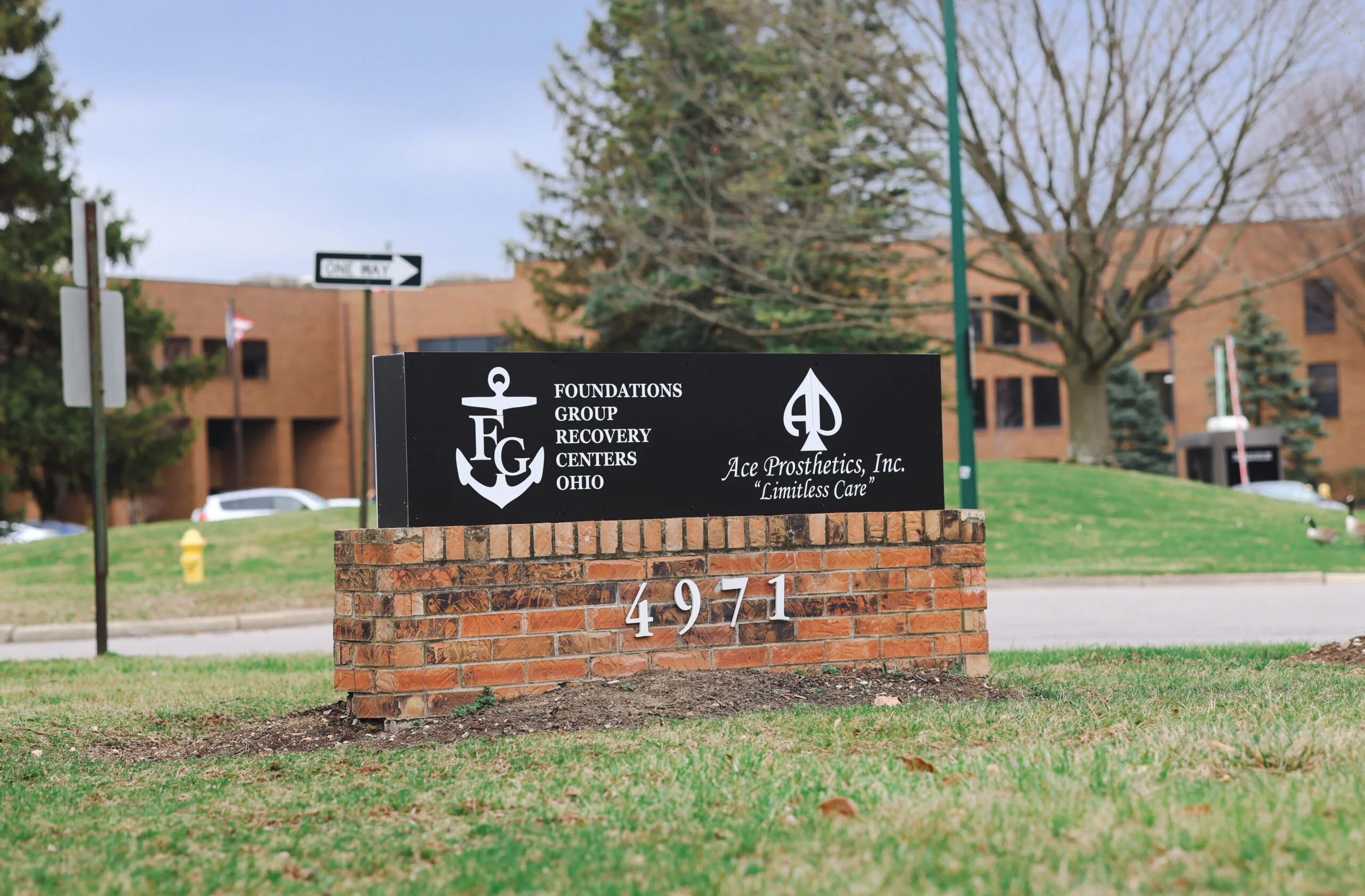
Our Upper Arlington location serves individuals and families throughout Columbus and surrounding Central Ohio communities. Wherever someone is in the recovery process, our team works to provide individualized care and appropriate support for the next stage of recovery.

Opioid use disorder is a condition characterized by difficulty controlling opioid use despite harmful consequences. It can involve prescription opioids, heroin, fentanyl, or other opioids and can range from mild to severe.
Signs can include strong cravings, difficulty reducing opioid use, increased tolerance, withdrawal symptoms, spending significant time obtaining or using opioids, and continuing use despite problems with health, relationships, work, or other responsibilities.
Opioid withdrawal can cause symptoms such as muscle aches, anxiety, sweating, difficulty sleeping, nausea, diarrhea, abdominal cramping, chills, and strong cravings. Symptoms and severity vary depending on the opioid involved, patterns of use, and individual health factors.
Medication-assisted treatment may be used as part of treatment for opioid use disorder when clinically appropriate. MAT combines medication with counseling and behavioral support to help address cravings, withdrawal-related symptoms, and other recovery needs.
Yes. Heroin is an opioid, and problematic heroin use can meet the criteria for opioid use disorder. Treatment needs depend on the individual's patterns of use, health, withdrawal risk, and other clinical factors.
Yes. Fentanyl is a synthetic opioid. Because fentanyl is highly potent, its use can carry significant overdose risk, particularly when someone does not know that fentanyl is present in another substance.
The appropriate level of care depends on factors such as current opioid use, withdrawal risk, physical and mental health needs, previous treatment, and recovery environment. An assessment can help determine an appropriate starting point and level of support.
Many insurance plans provide benefits for substance use disorder treatment, but coverage varies by policy and level of care. Foundations Ohio can help review your benefits and explain available options. You can also verify your insurance benefits before beginning treatment.